Electromobility refers to the use of electric-powered vehicles, which have become a cornerstone of modern transportation solutions. With its potential to significantly reduce carbon emissions and reliance on fossil fuels, electromobility is increasingly capturing public and policy interest. This article provides an in-depth analysis of electromobility, its impact on the transportation sector, and key considerations.
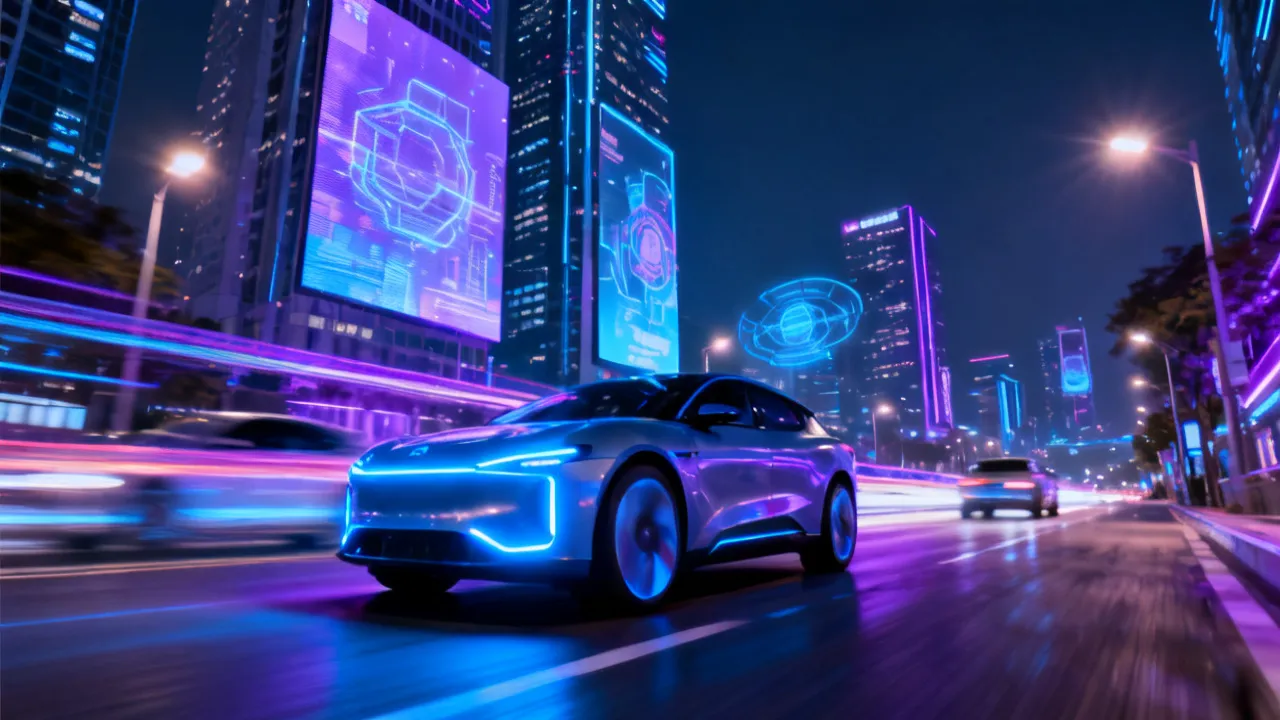
Electromobility marks a transformative shift in the transportation industry, primarily focusing on reducing the dependence on fossil fuels by leveraging electric-powered vehicles. This technology has the potential to greatly decrease carbon dioxide emissions, fostering a cleaner and more sustainable global environment. As the world grapples with climate change, air pollution, and the depletion of natural resources, electromobility offers a viable alternative to traditional transportation methods, paving the way for cleaner air and healthier communities.
Understanding the historical context of electromobility can provide insights into its future potential. The concept dates back to the early 19th century when innovators began experimenting with electric carriages. In fact, researchers report that the first electric vehicle was developed in the 1830s by an obscure Scottish inventor named Robert Anderson. However, it wasn't until the late 20th century, with advances in battery technology and increased environmental awareness, that electromobility gained significant traction.
The 1990s and early 2000s marked a crucial period when companies like General Motors introduced the EV1, the first modern electric vehicle sold to the public. Despite its limited production, the EV1 sparked interest and provided essential lessons that guided future electric vehicle innovations. In the years that followed, with rising fuel prices, governmental incentives, and visible effects of climate change, consumer demand for electric vehicles began to rise.
Fast forward to the present day, various technological advancements, particularly in battery technology and electric powertrains, have revolutionized electromobility. Lithium-ion batteries, which allow for longer ranges and quicker recharges, have become a standard in electric vehicle design, while new startups continue to emerge and challenge the established car makers, contributing to a dynamic and competitive market.
Currently, electromobility encompasses a range of electric vehicles (EVs), including cars, buses, bicycles, and light rail. Automotive giants and startups alike are investing heavily in EV technology, underscoring its critical role in future transportation strategies. Countries like Norway have set ambitious targets for phasing out fossil fuel vehicles, while many major automobile manufacturers have pledged to electrify their fleets by 2030 or earlier.
Governments worldwide support this transition through subsidies, infrastructure development, and policies aimed at encouraging EV adoption. These policies often include tax incentives for buyers, the development of charging infrastructure, and the allocation of funds for research into sustainable battery technologies. Furthermore, automobile companies are increasingly collaborating with technology firms to integrate advanced driver assistance systems and autonomous driving capabilities into EVs, fueling further advancements in the sector.
As public interest in eco-friendly transportation grows, cities are also adapting to these changes. Local governments are investing in electric public transportation systems, integrating electric buses into their fleets, and creating dedicated bus lanes specifically for zero-emission vehicles. The public's embrace of sustainability is evident through the increasing acceptance and support of electric mobility across various demographics.
The benefits of electromobility are vast, highlighted by reduced greenhouse emissions, improved urban air quality, and lower noise pollution. Electric vehicles produce zero tailpipe emissions, reducing the harmful pollutants that contribute to smog and respiratory issues. A transition to electric mobility can lead to a significant reduction in carbon footprint, aligning with global climate targets set forth in the Paris Agreement.
Moreover, the operational efficiency of electric vehicles also plays a critical role. EVs typically have fewer moving parts than traditional combustion-engine vehicles, meaning they require less maintenance and thus can offer considerable savings over time. These savings are often enhanced in comparison to the fluctuating costs of gasoline and diesel. Additionally, electric vehicles can benefit from the declining prices of renewable energy sources, such as solar and wind, which may grow more prominent in charging infrastructures.
However, challenges remain, such as the development of widespread EV charging infrastructure, the initial cost of EVs for consumers, and the environmental impact of battery production and disposal. The availability of charging stations is critical in dispelling range anxiety—the fear of running out of battery power. While urban areas are beginning to see an expansion of charging networks, rural areas may still face significant obstacles in adapting to electric vehicles, highlighting the need for continued investment from both public and private entities.
The cost of electric vehicles, while decreasing, is still higher than that of an average gasoline-powered vehicle, representing a barrier for many potential buyers. Additionally, the production of batteries, while crucial for electromobility, raises concerns about resource extraction and environmental degradation associated with mining raw materials. Addressing these challenges necessitates a concerted effort from stakeholders at all levels, including manufacturers, governments, and environmental organizations.
In the digital age, platforms like Wikipedia play an essential role in spreading knowledge about electromobility. Wikipedia's easily accessible, detailed entries offer educational resources that can foster a broader understanding among the public and spur increased interest and adoption of EV technologies. These entries can assist users in debunking common myths surrounding electric vehicles, dispelling misconceptions that might deter potential buyers from considering an electric vehicle as a viable option.
Additionally, Wikipedia can serve as a valuable platform for connecting experts in the field of electromobility with the general public, allowing for knowledge-sharing and engagement through talk pages and community discussions. By featuring comprehensive articles on electromobility trends, innovations, and case studies of successful implementations, Wikipedia not only contributes to global awareness but also encourages critical dialogue on future possibilities within the electric vehicle sector.
Furthermore, it is essential for users to ensure the information they receive is current and updated. Given the rapid evolution in technology associated with electromobility, continuous updates and edits to Wikipedia entries are necessary to reflect the most accurate information. This showcases the importance of a collaborative approach to knowledge dissemination, as well as the need for the community to contribute to keeping information relevant and factual.
EV technology hinges upon various innovative components that differentiate it from traditional combustion vehicles, particularly the powertrain and batteries, which are the heart of EVs. Significant advancements continue to be made in terms of battery life, energy density, and charging times. Moreover, the integration of advanced computing technologies is transforming the way electric vehicles operate and interact with their environment.
| Component | Function |
|---|---|
| Battery | Stores electric power for the motor. Improvements in lithium-ion and solid-state batteries show promise for future mobility solutions. |
| Electric Motor | Converts electrical energy into mechanical energy, allowing the vehicle to move. |
| Regenerative Braking | Recovers energy usually lost during braking, channeling it back to recharge the battery. |
| Power Electronics | Manage the flow of electrical energy between the battery and electric motor, optimizing performance. |
| Charging Systems | Facilitate the transfer of energy from a power source to the vehicle, and come in various charging types, including Level 1, Level 2, and DC fast charging. |
The electric motor is vital for the operation of an EV, converting stored electrical energy into mechanical force to drive the vehicle. Unlike traditional internal combustion engines, electric motors can achieve maximum torque instantly, providing swift acceleration and a unique driving experience. Many automotive companies are also exploring the possibility of incorporating dual-motor systems, enabling all-wheel drive capabilities for improved traction and performance.
In recent years, the development of solid-state batteries has emerged as a hot topic among researchers and manufacturers. Solid-state batteries promise a substantial increase in energy density while reducing safety risks associated with liquid electrolyte batteries, thus significantly increasing the viability of electric vehicles for the mass market. Moreover, researchers are also investigating alternative battery chemistries, such as lithium-sulfur and lithium-metal batteries, which could lead to even greater energy storage capacities and decreased reliance on scarce resources like cobalt.
Charging technologies have also evolved tremendously, with the adoption of fast-charging stations that can replenish batteries at remarkable rates. As charging infrastructure continues to grow, multiple initiatives explore either wireless charging systems or ultra-fast charging capabilities that would enable EVs to gain significant range in just a short stop at a charging station. Understanding these advancements is crucial to grasp the trajectory of electromobility as they enable longer distance travel and greater accessibility for electric vehicles.
Looking ahead, electromobility faces several challenges, such as developing cost-effective and efficient battery technologies and establishing a robust infrastructure network for charging stations. Yet, the landscape also promises substantial opportunities. With renewable energy integration, enhanced battery technologies, and increased public-private collaboration, electromobility is poised to lead the charge towards a sustainable mobility future.
One critical opportunity lies in the advancement of smart grids, enabling energy providers to manage fluctuating demand more effectively. Smart grids allow for a two-way flow of energy and data, facilitating the integration of renewable energy sources and optimizing electric vehicle charging based on grid conditions. Such advancements can help balance the load, reducing pressure on the grid during peak demand times while also maximizing the utilization of clean energy sources.
The development of sustainable battery recycling methods is another avenue for addressing concerns associated with battery production. Innovative strategies, such as urban mining, aim to recover valuable materials from spent batteries to reduce the need for new mining operations. Through investments in research and technology, recycling methods can be enhanced, making the overall lifecycle of electric vehicles more sustainable.
Research into vehicle-to-grid (V2G) technology presents another exciting opportunity. This technology allows electric vehicles to act as energy resources by feeding electricity back into the grid when needed, thus supporting grid stability during peak demand periods. This bidirectional flow not only helps the grid but also offers financial incentives for EV owners, creating a win-win situation for consumers and energy providers.
Clearly, the landscape of electromobility is rich with possibilities, where innovation and sustainability intertwine. As corporations and governments allocate resources toward research and infrastructure, electromobility can be improved not just in terms of efficiency but also in its overall acceptance within societies. These advancements highlight how embracing technological innovation can lead to a significant shift toward more sustainable modes of transportation.
Q: What is electromobility?
A: Electromobility pertains to the utilization of electric vehicles and related infrastructure to facilitate sustainable transportation.
Q: Why is electromobility important?
A: It significantly reduces reliance on fossil fuels and decreases environmental pollution, contributing to sustainable urban development.
Q: What are the costs associated with electromobility?
A: While initial costs for electric vehicles can be high, they often decrease over time due to savings on fuel and maintenance.
Q: What are the different types of electric vehicles?
A: Common types include battery electric vehicles (BEVs), plug-in hybrid electric vehicles (PHEVs), and fuel cell electric vehicles (FCEVs), each with unique operational characteristics and benefits.
Q: How is the public infrastructure adapting to electric vehicles?
A: Many cities are expanding their charging networks, establishing fast charging stations, and integrating electric public transportation systems to facilitate the adoption of electric vehicles.
Q: What is the role of renewable energy in electromobility?
A: Renewable energy resources, such as solar and wind, can drastically reduce the carbon footprint of electric vehicles when utilized to power charging stations and manufacturing processes.
Electromobility not only represents an environmental imperative but also an economic and technological opportunity. As the electrification of transport continues to gain momentum, understanding its intricacies becomes ever more critical. Through informed discussions and strategic investments, we can collectively usher in a cleaner, more sustainable era of transportation. The journey toward electrified mobility is far from complete, yet it promises an exciting future filled with innovation and improvements that stand to benefit both society and the planet.
Furthermore, as consumer awareness evolves and technologies mature, the adoption rate of electric vehicles will continue to accelerate, leading to cascading effects that can reshape our urban environments. Transitioning to electromobility not only addresses today's pressing environmental challenges but also lays the foundation for a more sustainable and resilient future. Engaging communities, spreading awareness, and promoting innovations can fuel a movement where electric vehicles become synonymous with modern transportation, ensuring that sustainable mobility is not merely a goal, but a reality for generations to come.
Understanding Sme Neobank Impact

Exploring Webbank and Its Competitors

Discover Westminster Plaza Orlando

Discover Heartis Eagle Mountain Elegance

Westminster Plaza Orlando: A Comprehensive Guide

Transforming Banking with Sme Neobank

Discovering Westminster Plaza Orlando

Discovering Westminster Plaza Orlando

Life Insurance for Seniors: Maximizing Coverage and Benefits

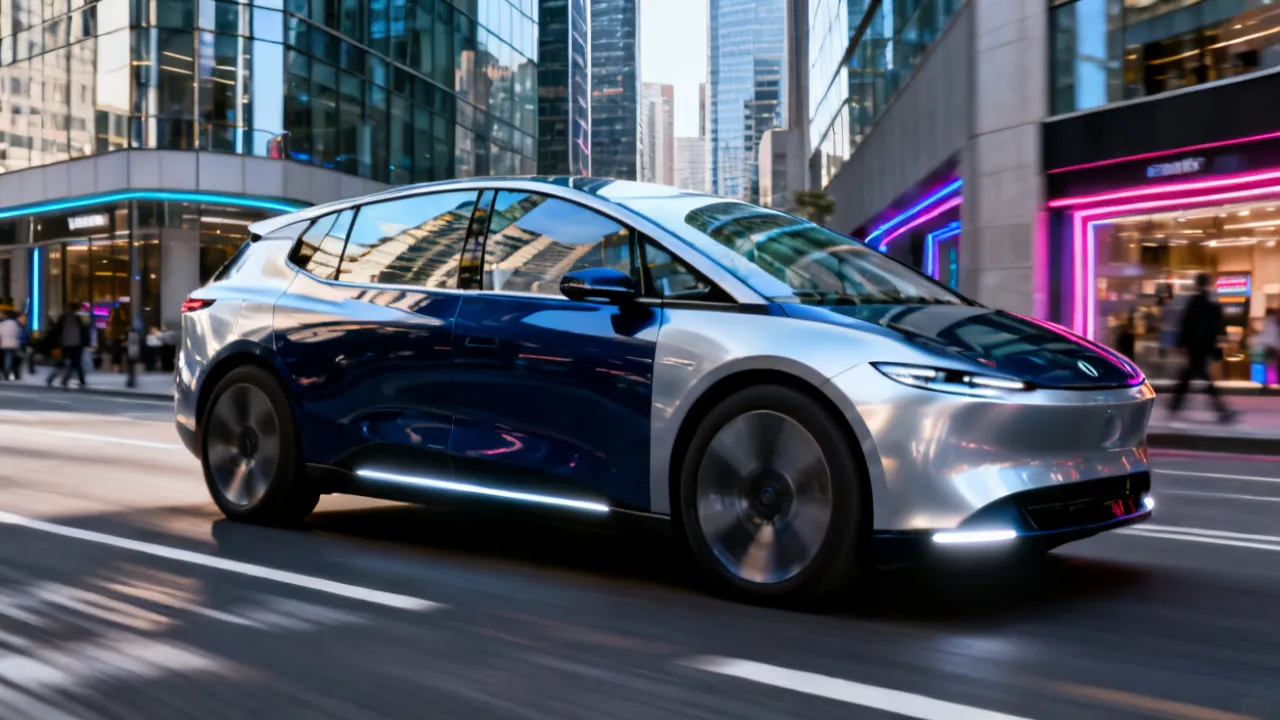
Unveiling Electromobility Dynamics
Electromobility represents a pivotal shift in transportation, focusing on electric vehicles (EVs) and supporting infrastructure. This transformation is reshaping how societies approach mobility, emphasizing sustainability and innovation. By exploring the comprehensive insights found on platforms like Electromobility Wikipedia, individuals can stay informed about the evolving technology and market trends influencing this industry.
Understanding Electromobility Trends
Electromobility represents a transformative approach in the transportation industry, gradually reshaping the landscape with electric-powered alternatives. Its rise is due to advancements in battery technology and the need for sustainable solutions. This article deeply analyzes the current trends, challenges, and future outlook of electromobility, providing insights into its growing presence in the automotive world.
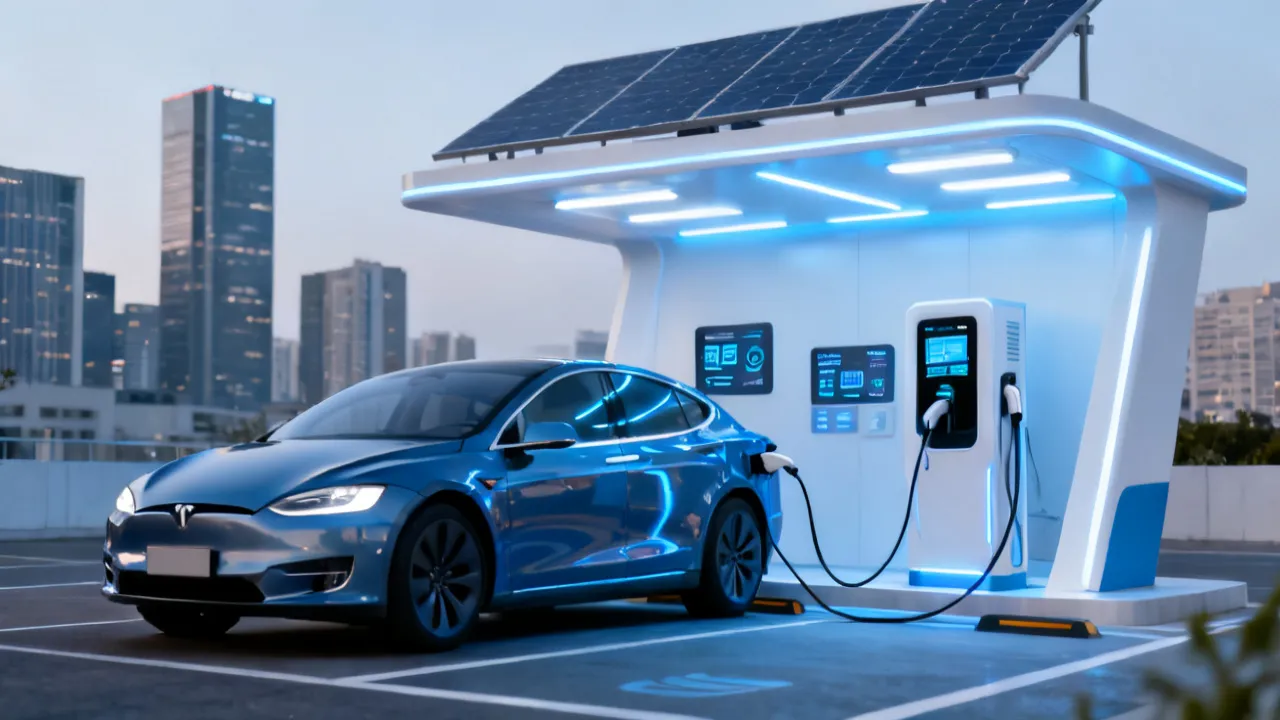
The Rise of Electromobility
Electromobility is fundamentally transforming the transportation landscape, offering a cleaner and more sustainable alternative to traditional combustion engines. As highlighted by Wikipedia and other platforms, it encompasses vehicles powered by electricity, significantly reducing carbon emissions. This article delves into the broad implications, benefits, challenges, and the future of electromobility.
Understanding Electromobility Dynamics
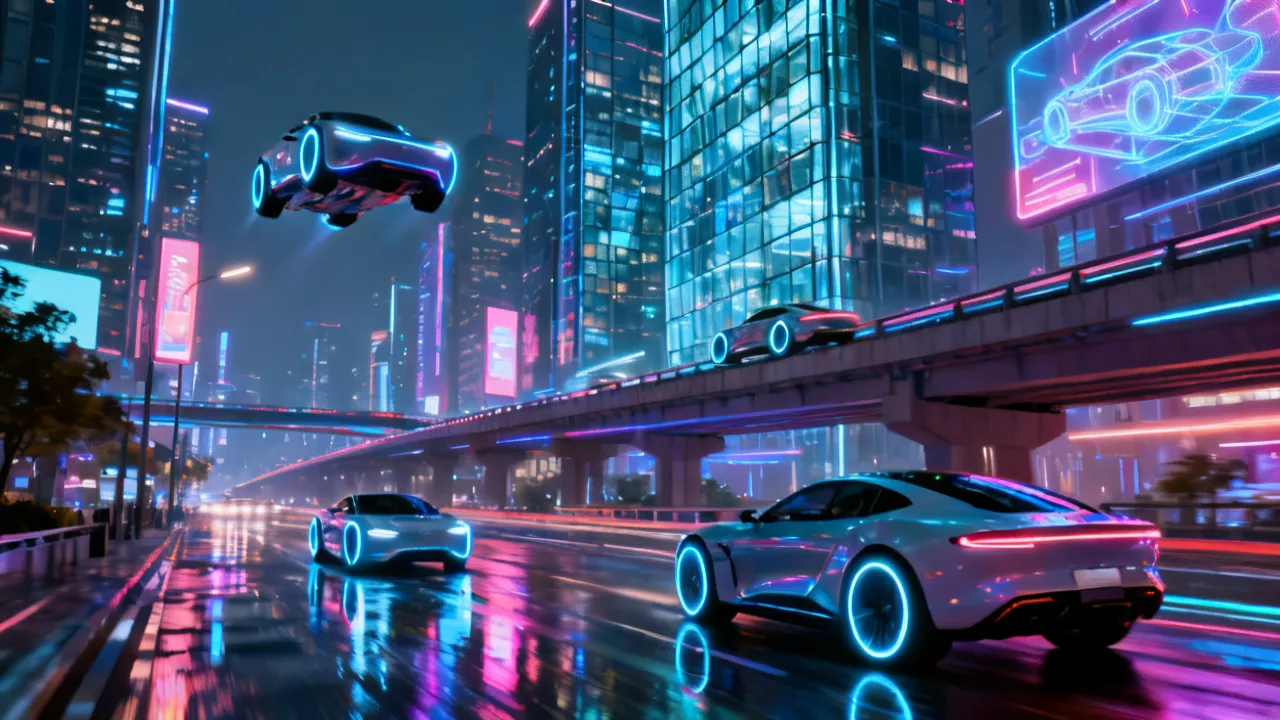
Delve into the world of electromobility, an ever-evolving domain reshaping transportation with eco-friendly innovations. Electromobility, as highlighted on Wikipedia, emphasizes the transition from traditional fuel-based vehicles to electric transportation solutions. Technological advances and environmental concerns drive its rapid adoption, heralding a sustainable future in urban mobility.
Navigating the Realm of Electromobility
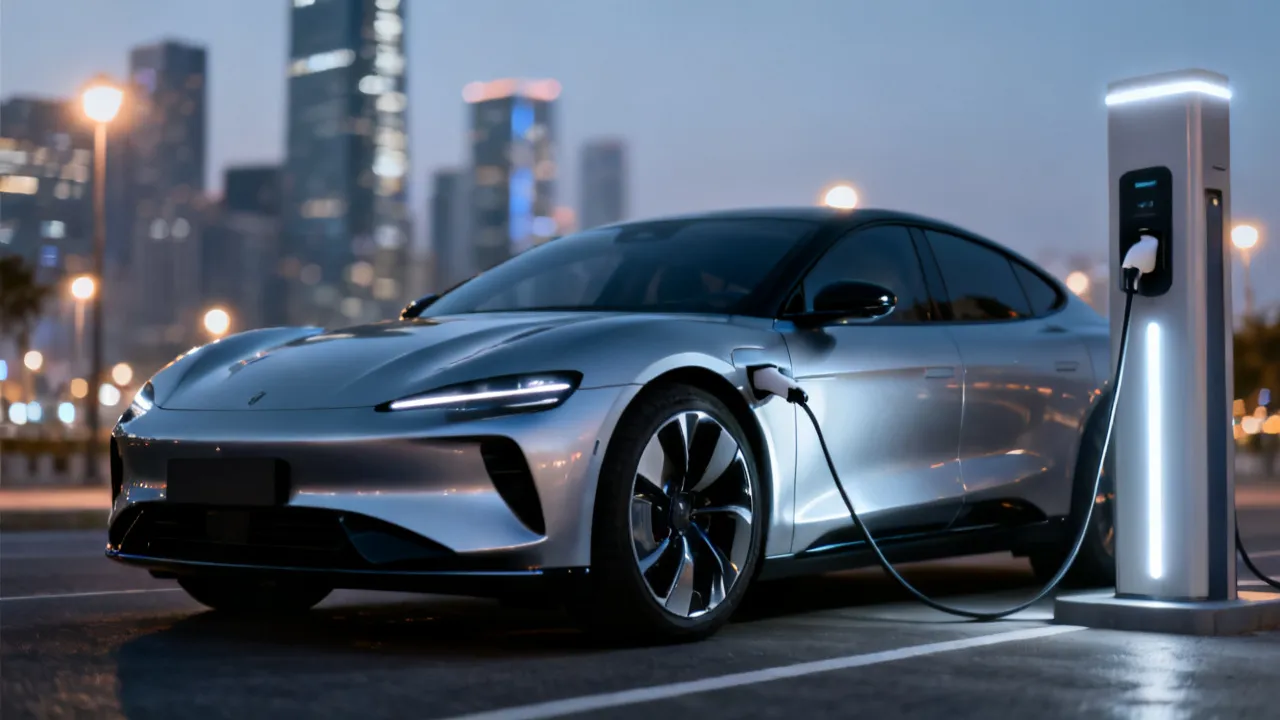
This article delves into the expanding sphere of electromobility, an innovative sector focused on electric vehicles and infrastructure. As worldwide efforts to reduce emissions progress, electromobility continues to gain prominence, offering a sustainable alternative to traditional vehicles. Wikipedia and other sources serve as vital repositories of information, guiding understanding and development within this dynamic field.
Understanding Electromobility's Future
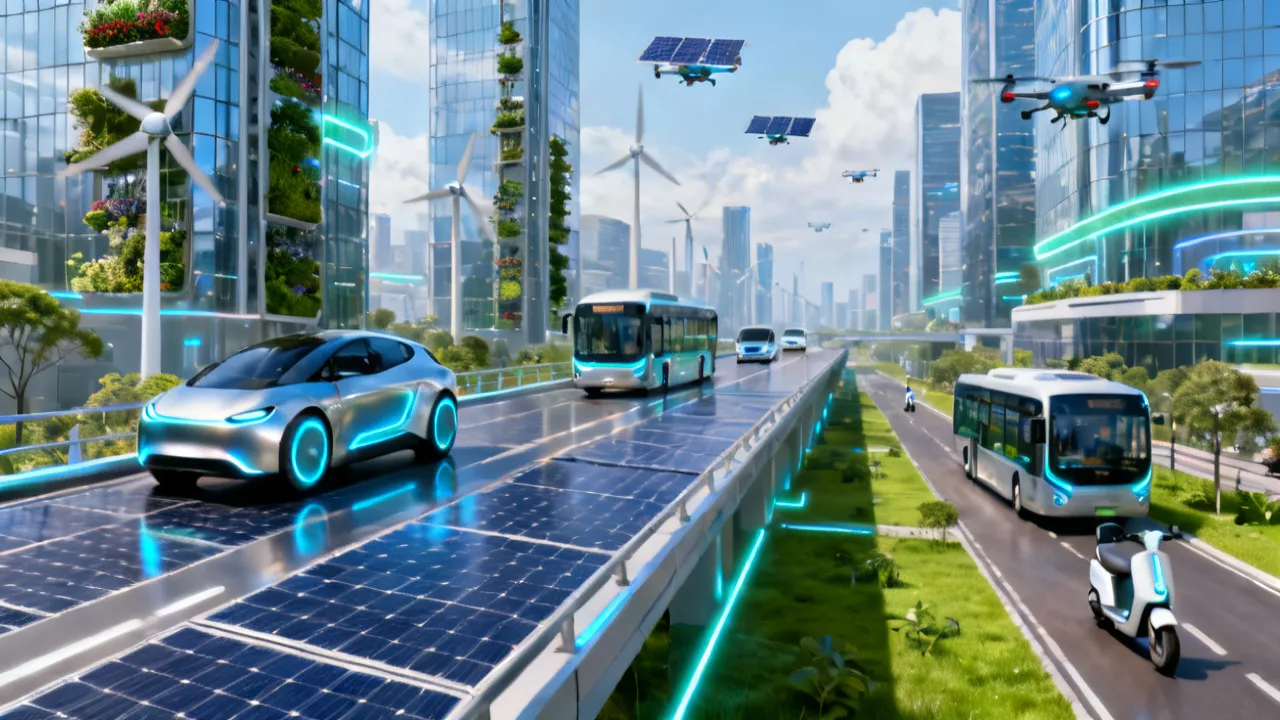
This article delves into the dynamics of electromobility, focusing on the innovations transforming how we perceive transportation. Electromobility refers to the use of electric vehicles as a means of reducing reliance on fossil fuels. The increasing adoption of electromobility is shaping an environmentally conscious future, with significant implications for urban development and human well-being.